
What Size Generator Do I Need for a Home in Connecticut?
Power outages are a fact of life for many Connecticut homeowners. Between coastal storms, winter snow and ice, and unpredictable seasonal weather patterns, thousands of residents experience interruptions in power every year. Whether you want to keep your essentials running or fully protect your home during long outages, choosing the right generator size is one of the most important steps in preparing for unexpected loss of electricity.
However, determining the correct generator size is not always simple. The ideal generator depends on your electrical demands, the appliances you rely on, and how much of your home you want powered during an outage. This guide explains the most important factors to consider, how generator sizing works, and what Connecticut homeowners should know before choosing a unit.
Call Safe and Sound Electric today at (203) 536-0021 to speak with a licensed electrician about choosing the right generator for your home.
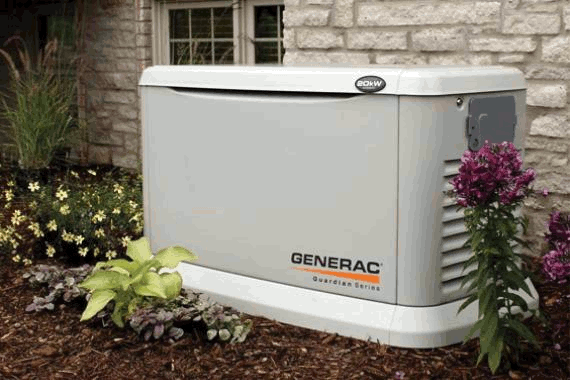
Why Generator Size Matters
Generator size affects far more than how many devices you can run. A properly sized generator:
- Ensures smooth, stable power
- Protects sensitive electronics
- Prevents overloads
- Avoids wasted fuel
- Reduces operating noise
- Improves long-term system reliability
An undersized generator will struggle to start larger appliances, causing flickering lights, tripped breakers, or system shutdowns. An oversized generator can increase installation cost and waste fuel, especially when the load is significantly lower than the unit’s capacity. Choosing the right size gives you balanced performance, efficiency, and reliability.
Understanding How Generator Sizing Works
Before selecting a generator, it helps to understand how wattage affects your home’s power usage. Every appliance has two electrical requirements:
- Running wattage: the power needed to stay on
- Starting wattage: a temporary surge needed for appliances with motors, such as HVAC systems, pumps, and refrigerators
Connecticut homeowners generally choose between three levels of coverage depending on budget, home size, and comfort preferences.
Essential Circuit Coverage
This option powers only the most important items in your home, such as:
- Lights
- Refrigerator
- Heating system
- Sump pump
- Key outlets
Homes that choose essential-only coverage often need a generator ranging from 5,000 to 7,500 watts, depending on appliance types and heating equipment.
Managed Whole-Home Power
With a load-management system, the generator can power most of your home by automatically prioritizing high-demand appliances. This approach allows you to run multiple systems without overloading the generator.
Generators in the 10,000 to 14,000 watt range commonly support managed whole-home setups.
True Whole-Home Power
If you want your home to operate normally during an outage, including heating and cooling, larger kitchen appliances, and general household electronics, a whole-home generator is the best fit.
Homes with electric heat, large HVAC systems, or high-demand equipment often require 18,000 to 24,000 watts or more, depending on the home’s size and electrical load.
Connecticut-Specific Factors That Affect Generator Size
Connecticut weather patterns and housing styles contribute to unique generator sizing considerations. Local electricians often account for:
- Winter heating loads: Many CT homes rely on electric blowers, oil burners, or heat pumps that require significant startup wattage.
- Sump pump usage: Frequent storms and high water tables mean many basements depend on sump pumps, which require reliable backup power.
- Older electrical panels: Older Connecticut homes may need panel upgrades before installing a larger generator.
- High appliance usage during cold months: Furnaces, well pumps, and water heaters can place heavy demand on the generator.
These factors make accurate sizing especially important for homeowners looking to avoid outages during peak storm seasons.
What Goes Into Sizing a Home Generator
Choosing the right generator is part science, part planning. Electricians typically evaluate:
- Electrical Panel and Service Capacity: Larger generators may require upgrades to your panel or wiring to operate safely.
- Your Priority Appliances: Every home has different must-have systems. Some homeowners only want heating and refrigeration, while others require well pumps, medical equipment, or full HVAC operation.
- Total Running and Starting Wattage: This determines whether your generator can handle multiple appliances at once, especially during startup cycles.
- Desired Level of Backup Coverage: Essential-only, managed whole-home, or full-home power significantly impacts the size of generator you need.
- Connecticut Permit & Installation Requirements: Fuel type, generator placement, clearances, and electrical connections must meet state and local codes.
A careful evaluation ensures your generator performs smoothly, safely, and efficiently when you need it most.
Common Generator Sizes for Connecticut Homes
While every home is different, many families in Connecticut fall into patterns that influence generator size:
- Small to medium homes: 7,500 to 14,000 watts
- Larger homes with central heating or cooling: 14,000 to 22,000 watts
- Homes with electric heat, large HVAC equipment, or high-demand appliances: 20,000 watts and up
The most accurate way to determine your needs is through a professional load calculation, since starting wattage often catches homeowners by surprise.
Frequently Asked Questions About Generators in Connecticut
What size generator do most Connecticut homes need?
Most homes require between 10,000 and 22,000 watts, depending on heating equipment, appliance usage, and whether you want whole-home or partial coverage.
Will a whole-home generator power my entire house?
If sized correctly, yes. A whole-home generator must match your home’s maximum electrical demand to provide continuous power to all circuits.
How do I know if my current generator is too small?
Signs include appliances struggling to start, flickering lights, tripped breakers, or the generator shutting off unexpectedly.
Do I need a permit to install a generator in Connecticut?
Yes. Whole-home generators must meet Connecticut electrical, placement, and safety permit requirements.
How long will a whole-home generator last?
Most quality generators last 10 to 20 years with proper maintenance.
Be Prepared Before the Next Outage – Call Safe and Sound Electric Today!
The right generator brings peace of mind, ensuring your home remains warm, powered, and protected during Connecticut’s unpredictable storms. If you are unsure what size generator you need, the experts at Safe and Sound Electric can guide you through every step.
Call (203) 536-0021 today to schedule a generator evaluation and choose the perfect size for your Connecticut home.